
Tier List
Melty Blood: Twi-Lumina tier list hub — our ranking framework, what goes into each tier, and how tournament results and patch notes will reshape the meta after the April 2027 launch.
Introduction
This hub hosts the Melty Blood: Twi-Lumina tier list — and, just as importantly, the framework behind it. Because the game launches in April 2027, any specific ranking published today would be fiction, so this page instead documents how rankings will be built: what evidence counts, how tiers are defined, and how quickly the list will move once real results exist. The tier framework below follows fighting game convention — S through C — but each band is tied to observable criteria rather than vibes. Before launch, the hub tracks which fighters the community expects to define the meta and why. After launch, it converts tournament placements, high-level match records, and patch history into actual placements, revised on a predictable schedule so you always know how fresh the ordering is. The goal is a tier list you can trust, not one that simply exists.
Tier Framework & Update Policy
| Tier | Placement Rule | Evidence Required | Status |
|---|---|---|---|
| S | Defines tournament play; overused at the top level | Repeated major top-8 presence | Opens after launch |
| A | Strong, consistent picks with known answers | Placements plus community consensus | Opens after launch |
| B | Solid tools, needs lab time or player investment | Match records and theorycraft review | Opens after launch |
| C | Underperformers awaiting tech or patches | Documented struggles across events | Opens after launch |
How Rankings Form
Tournament Evidence
The heaviest weight in any placement
Community Consensus
Where the wider meta shows up
Patch Cycles
The force that reshuffles everything
Lab Discovery & Theorycraft
The wildcard layer between patches
Core Mechanics
A fighting game tier list is a structured argument, and ours follows a strict evidence hierarchy. Tournament results sit at the top because they are recorded, public, and produced under pressure; a character repeatedly reaching top 8 is a fact, not an opinion. Community consensus sits beneath it — the Melty Blood scene is famously community-organized, so ranked ladders and matchup threads capture online strength that offline events undercount. Theoretical analysis sits last: frame data advantage and damage output explain results, but they never substitute for them. Placements combine all three layers with fixed weights, and every entry on a published tier list links back to the evidence that put it there. When a patch lands, affected characters are re-evaluated from scratch rather than adjusted by feel, which occasionally produces dramatic but honest jumps.
Advantages
A transparent framework gives you something rare in pre-release coverage: honest uncertainty. Instead of fabricating rankings for a game nobody has played, this hub tells you exactly how the future list will be built, which means you can evaluate its credibility before trusting it. Once live, the same transparency keeps working — you can check the evidence behind any placement, disagree with reasons rather than vibes, and predict how the next patch will move your main. The scheduled revision policy also protects your time: rather than chasing daily discourse, you can return after tournaments and patches knowing exactly when the list refreshed. For players choosing a main, the framework's emphasis on archetype and matchup context is more useful than a bare S-to-C row, because it explains who a character is strong against, not just whether they are good.
Challenges
The unavoidable cost of this honesty is that pre-launch, this hub offers no placements at all — if you arrived looking for an S-tier answer today, the correct answer is that none can exist yet, and any site claiming otherwise is guessing. Even after launch, early lists carry real caveats: small tournament samples overweight whatever the first big event showed, lab discoveries lag weeks behind release, and one patch can invalidate the entire ordering. Community consensus layers have their own bias, since visible players shape perception faster than results justify. We mitigate these limits with provisional labels and revision schedules, but a tier list is always a lagging indicator of the meta, never the meta itself. Treat it as a map drawn from where the scene has been.
Frequently Asked Questions
Why is the tier list empty before launch?+
How often will the tier list update?+
Should I pick my main from the tier list?+
Quick Tips
Always evaluate the contextual evidence notes before fixating on letter grade rankings like S or A tier. Two combatants placed within the same tier category often achieve their positions through fundamentally distinct strengths, such as oppressive neutral buttons versus explosive high-risk comeback potential. Understanding why a fighter is rated highly prepares you for practical counter-strategies far better than superficial letter placement.
Channel pre-release competitive curiosity toward learning foundational archetype theory rather than memorizing speculative tier rankings with zero tournament data. Identifying whether your chosen fighter operates as a midrange zoner, rapid rushdown specialist, or okizeme setplay character helps you grasp effective game plans immediately upon release. Solid understanding of archetype fundamentals will outlast any early tier list shifts during the initial launch weeks.
Wait for formal competitive tournament results following major balance updates before treating revised tier rankings as settled gospel. Patch notes frequently nerf overtuned special moves or adjust system mechanics like Shield and Moon Drive, taking weeks for optimal counter-play to materialize. Experimenting in training mode and casual lobbies personally provides far more immediate insight into balance shifts than premature social media tier graphics.
Featured

Melty Blood: Twi-Lumina Launch Tier List Framework
Understand how the Melty Blood: Twi-Lumina launch tier list will be built, what evidence counts before day one, and when rankings become trustworthy.
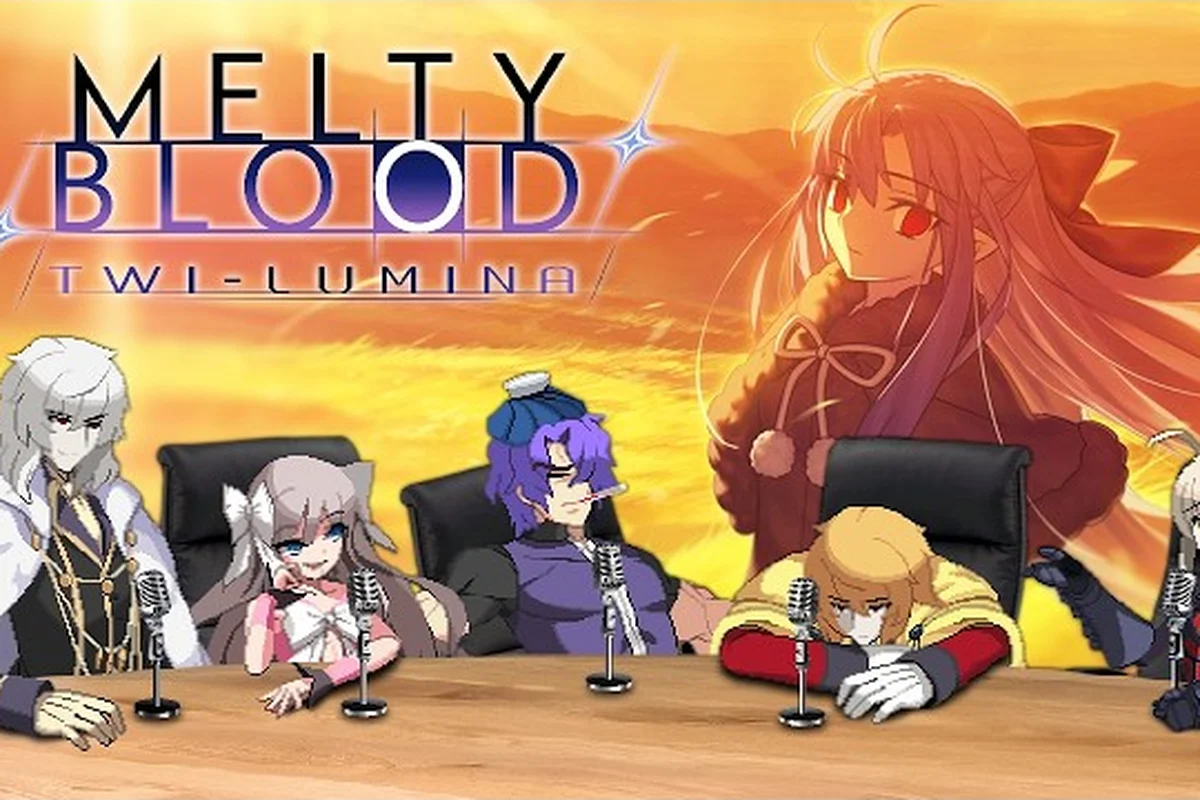
Melty Blood: Twi-Lumina Tier List: S-Tier Fighters and Top Picks
Climb with our Melty Blood: Twi-Lumina tier list ranking S-tier standouts, top-tier fighters, and the strongest characters dominating the current meta.
Melty Blood: Twi-Lumina Best Grappler Picks and Archetypes
Rank the Melty Blood: Twi-Lumina best grappler candidates by command grab threat, mixup damage, and how the Gauntlet technique reshapes their game.
All Articles
Melty Blood: Twi-Lumina Tier List Explained for Newcomers
Get the Melty Blood: Twi-Lumina tier list explained from S to C, including matchup logic, meta signals, and why early rankings shift after launch.

Melty Blood: Twi-Lumina Strongest DLC Character: Early Reads
Weigh who could become the Melty Blood: Twi-Lumina strongest DLC character once post-launch fighters arrive, using series DLC patterns as evidence.
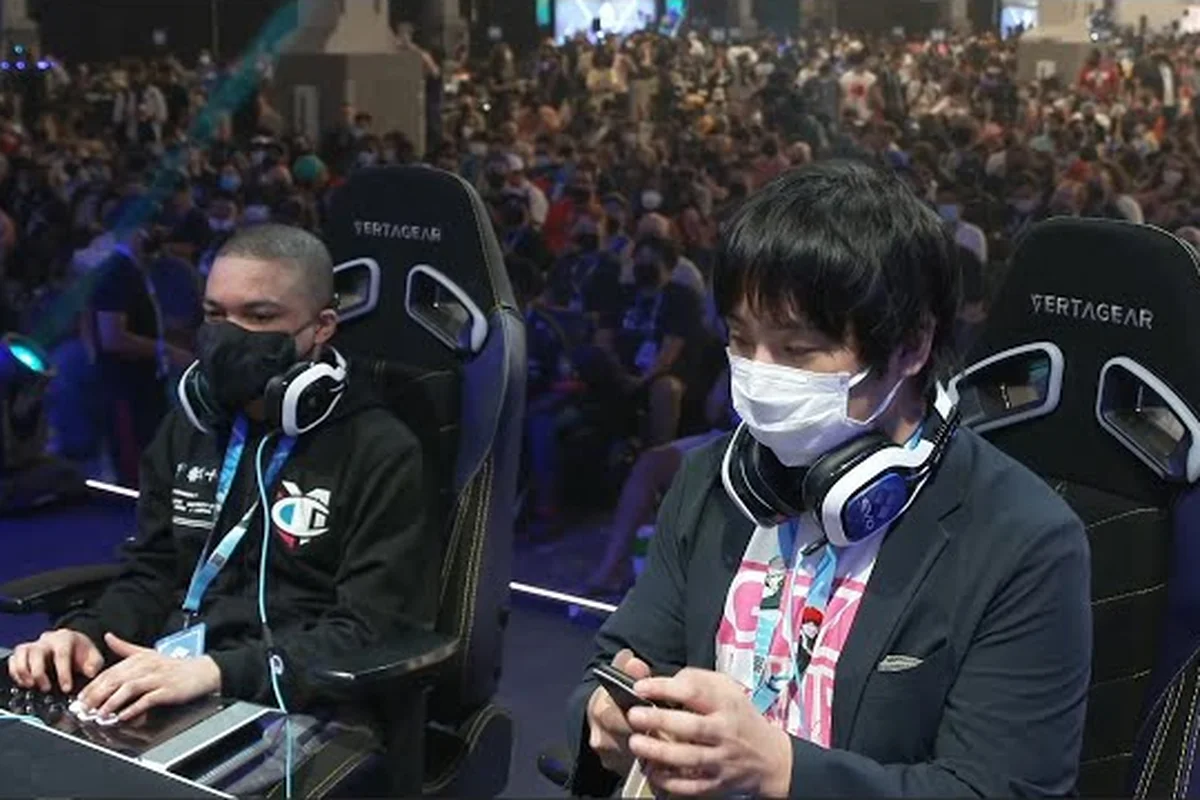
Melty Blood: Twi-Lumina EVO Results: Grand Finals and Meta Shifts
Recap the Melty Blood: Twi-Lumina EVO results with grand finals character picks, high-level play trends, and the patch changes already shifting the next tier list.