
Mechanics
Melty Blood: Twi-Lumina battle system explained — the Lumina gauge that replaces the Moon gauge, enhanced Rapid Beat, the new Gauntlet technique, and universal defense options.
Introduction
The Mechanics section explains the systems that define Melty Blood: Twi-Lumina, with a running comparison against its predecessor so returning players always know what changed. Three headline systems are new or reworked: the Lumina gauge replaces the Moon gauge as the core meter powering specials and system moves; Rapid Beat returns upgraded, with mash routes that now incorporate meter-spending specials; and the Gauntlet technique debuts as a knockaway tool that opens follow-up space previous entries never had. Around them sit the series constants — fast movement, generous air options, and universal defense — refined but recognizable. Each article in this hub isolates one system, explains its function in plain language, and traces what it replaces or preserves from TYPE LUMINA. Where official details remain unannounced, such as exact gauge gain rates, the articles say so explicitly rather than inventing numbers.
System Changes vs TYPE LUMINA
| System | TYPE LUMINA (2021) | Twi-Lumina (2027) | Change |
|---|---|---|---|
| Core gauge | Moon gauge | Lumina gauge | Replaced |
| Autocombo | Rapid Beat chains | Rapid Beat linking into specials | Enhanced |
| Knockaway tool | Not present | Gauntlet technique | New |
| Defense | Block, throw system | Carried over and refined | Preserved |
System Profiles
Lumina Gauge
The new core meter of every match
Rapid Beat
The autocombo, upgraded
Gauntlet
The signature new technique
Universal Defense
The series' defensive foundation
Core Mechanics
System mastery in Melty Blood means understanding how offense, defense, and resources interlock. Offense begins with movement: the series' air-focused design lets fighters control space through dashes and jump arcs, and neutral play is a negotiation of those trajectories. When contact happens, the Rapid Beat system provides a damage floor, while manual cancels raise the ceiling for players who invest execution. The Gauntlet technique adds a new decision — knock the opponent away to reset pressure, or keep them close for mix-ups — that previous entries never offered. Defense answers with layered options carried from series history, and the interaction between defense and the new gauge economy is the least-understood system question until launch. Above everything sits the Lumina gauge as the shared budget, which turns every system decision into a spending decision.
Advantages
This hub's comparison-first structure saves returning players their most expensive resource: relearning time. Instead of discovering mid-match that the Moon gauge is gone, you read once here exactly what replaced it and how the replacement behaves, converting surprise into preparation. Newcomers benefit from the same articles' plain-language explanations, which never assume TYPE LUMINA experience without flagging it. The isolated one-system-per-article format also means updates are surgical — when official material clarifies the Gauntlet, only the Gauntlet profile changes, and the comparison table tracks the whole picture at a glance. Because every unannounced value is explicitly marked as pending rather than guessed, the hub stays trustworthy through the noisy pre-release window, and its structure becomes the reference you keep open on a second monitor once the game arrives.
Challenges
System documentation for an unreleased fighting game is bounded by what official material has shown, and important specifics are simply not public yet. Gauge gain rates, frame advantages, defense interactions, and even whether previous systems return under new names are unannounced — this hub marks all of them as open questions instead of speculating, which means some articles are structurally complete but numerically empty. Broadcast footage also has limits: visuals shown in trailers cannot confirm input costs or recovery frames, and press coverage is secondary evidence that must be validated against official sources. The practical consequence is that strategy built on this hub is directional rather than exact until April 2027, and readers should expect meaningful revisions — the framework here is designed to absorb them, not to pretend they will not happen.
Frequently Asked Questions
What happened to the Moon gauge?+
Is the Gauntlet a universal mechanic?+
Do I need to learn new systems if I played TYPE LUMINA?+
Quick Tips
Audit your meter habits before launch. Write down the situations where you spent Moon gauge in TYPE LUMINA — wake-up reversal, punish confirm, corner pressure — and treat that entire list as provisional until the Lumina gauge costs and gain rates are officially published and verified. Write down every situation where you spent Moon gauge in TYPE LUMINA — wake-up reversal, punish confirm, corner pressure — and treat that entire list as provisional until the Lumina gauge costs and gain rates are officially published and verified by the community.
Watch every reveal trailer twice: once for the characters and their new moves, and once specifically for the system UI. Gauge behavior, chain trails, and knockaway moments visible in footage quietly confirm system details that articles like these fold in within days of each broadcast. Gauge behavior, chain trails, and knockaway moments visible in broadcast footage quietly confirm system details, and articles like the profiles here fold those observations in within days — the second watch is where you spot them first.
Prioritize learning defense first when the game launches. New offense systems get all the attention and all the YouTube thumbnails, but how defense interacts with the Lumina gauge will decide early-meta outcomes long before anyone has optimized the flashiest combo routes. New offense systems get all the attention and all the video thumbnails, but how defense interacts with the Lumina gauge will decide early-meta outcomes long before anyone has optimized the flashiest combo routes in training mode.
Featured

Melty Blood: Twi-Lumina Battle System Overview
Master the Melty Blood: Twi-Lumina battle system: the Lumina gauge, Rapid Beat chains, the Gauntlet technique, and how rounds flow start to finish.
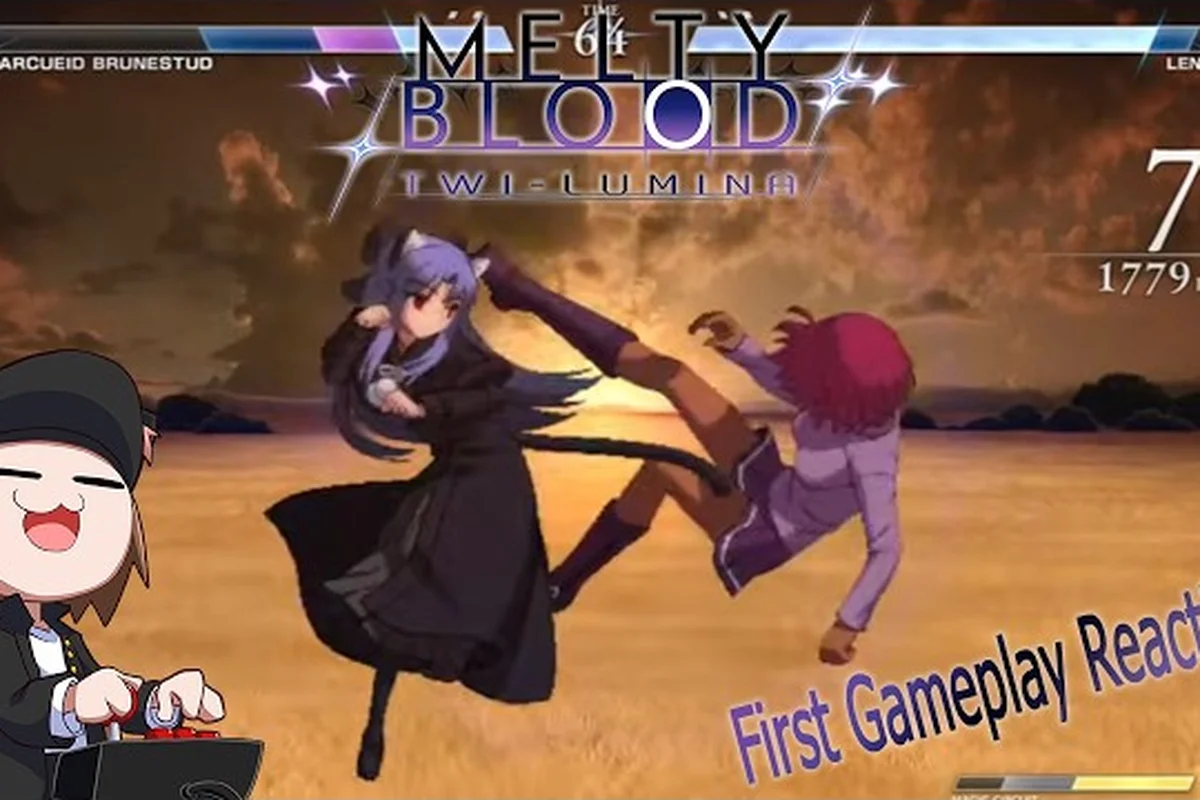
Melty Blood: Twi-Lumina Juggle System: Air Decay, OTG, and Stun
Break down the Melty Blood: Twi-Lumina juggle system with air hit decay values, OTG timing, and stun routes that keep your launches floating into maximum damage.

Melty Blood: Twi-Lumina Tech List: System Tricks to Lab
Work through the Melty Blood: Twi-Lumina tech list of system tricks, advanced techniques, and practice tools every competitor should lab early.
All Articles
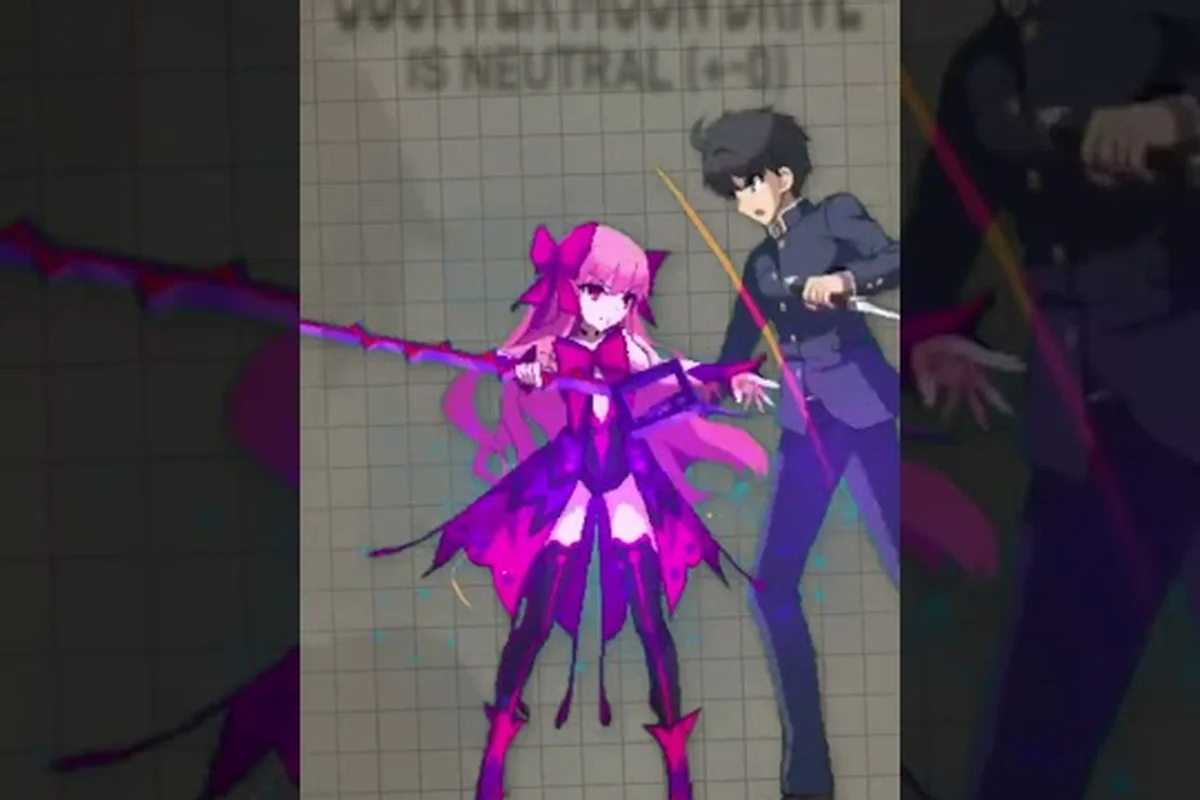
Melty Blood: Twi-Lumina Super Meter Cost: Full Resource Chart
Plan Melty Blood: Twi-Lumina super meter cost with a full resource chart: gauge gain, spending priorities, and when to hold or burn meter.
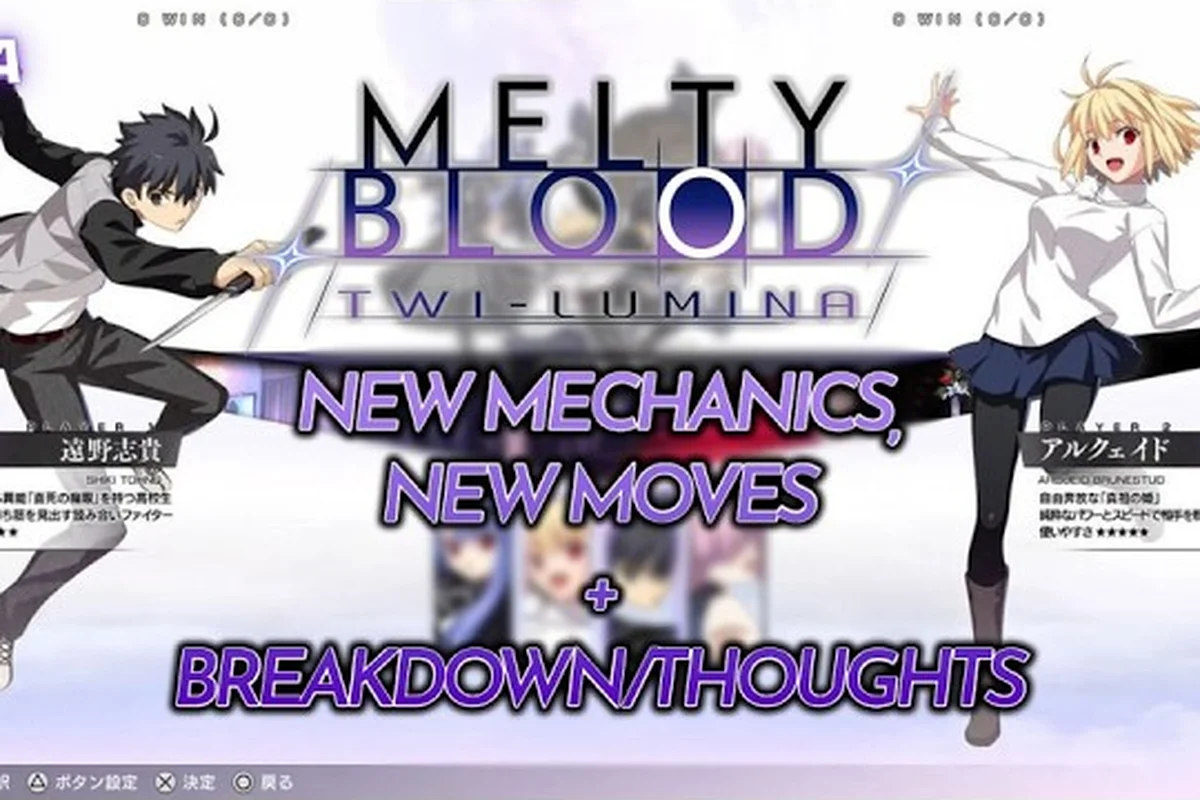
Melty Blood: Twi-Lumina Moon Gauge Removed: New Resource Loop
TYPE LUMINA's moon gauge is removed in Melty Blood: Twi-Lumina, replaced by the Lumina gauge. See which Moon Drive resources survive the swap.

Melty Blood: Twi-Lumina Frame Advantage: On-Block and On-Hit Math
Read Melty Blood: Twi-Lumina frame advantage like a pro: on-block and on-hit math, safe jab checks, and gaps that decide close-range fights.

Melty Blood: Twi-Lumina Throw Break: Timing Windows and Counters
Master the Melty Blood: Twi-Lumina throw break with precise input timing, frame windows, and the cancel follow-ups that turn a broken throw into a full punish combo.