
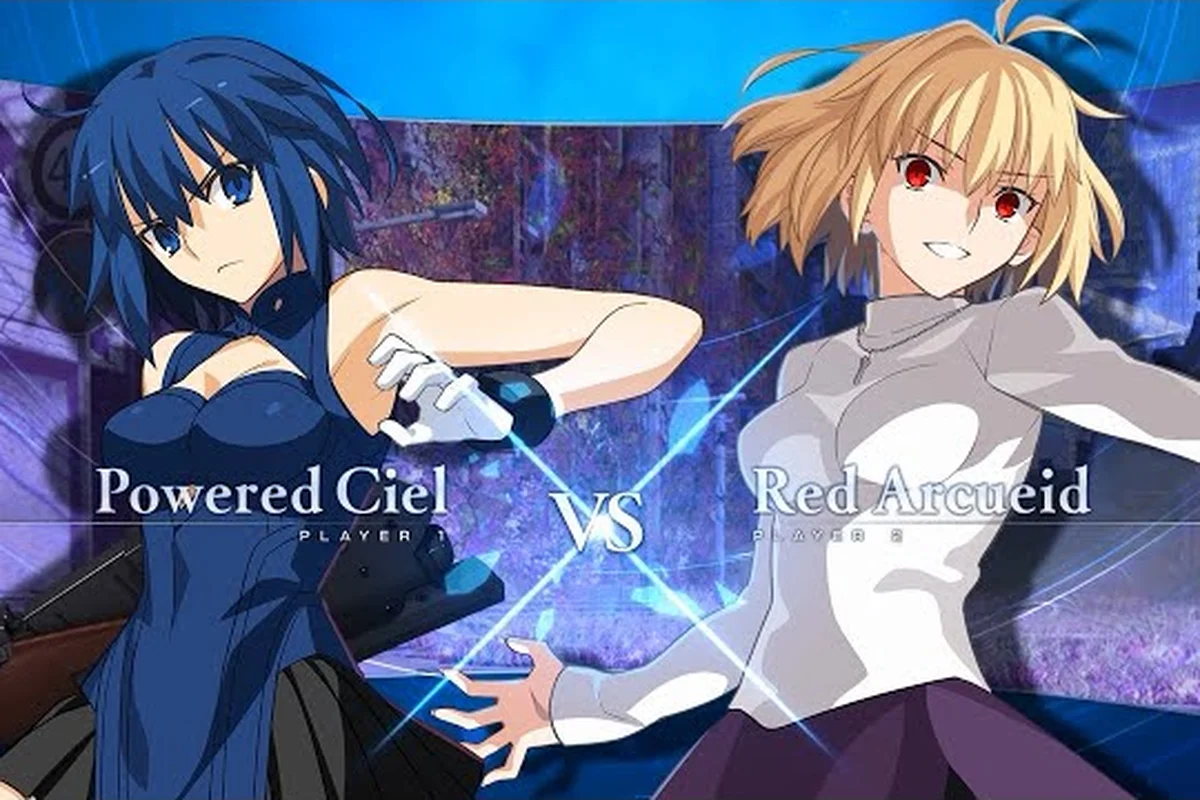
Boss fights have always been the heart of the Melty Blood experience, and the upcoming Melty Blood: Twi-Lumina boss battles look set to continue that tradition with deeper challenge, layered rewards, and the kind of weird, escalating encounters the series is famous for. Scheduled to launch on April 22, 2027 across PS5, PS4, Switch 2, Switch, Xbox One, and Steam according to the Melty Blood: Twi-Lumina Steam store page, this entry refines the TYPE LUMINA engine while weaving in a Kinoko Nasu-written main story set in Souya City. That mix of narrative and fighting game DNA is exactly why boss battles deserve a closer look before launch.
The new title builds on the foundation of Melty Blood: Type Lumina, the 2021 predecessor that introduced the Rapid Beat autocombo system and rollback netcode for online play. Players who spent time with the prior game have already developed expectations about how bonus fights, Arcade mode boss rushes, and difficulty spikes should feel, and Twi-Lumina appears ready to honor those expectations while adding its own twists. According to the August 2026 reveal covered by Automaton, the new game adds the Lumina gauge (a replacement for the Moon gauge), the Gauntlet technique that pushes opponents across the screen, and a Grand Scenario Mode that frames the entire story in a way boss encounters are sure to feed into.
This guide breaks down what to expect from the boss fight structure, how difficulty settings will shape the experience, and which customization systems will likely play a role in your bonus fight runs. If you want a broader look at the modes on offer, our Melty Blood: Twi-Lumina game modes overview covers the full suite beyond just boss content.
Twi-Lumina Boss Battle Structure and What Changes from Type Lumina
The boss structure in Melty Blood: Twi-Lumina builds on the template established in Type Lumina, where Arcade mode featured a cast of boss-tier opponents with unique AI behaviors and cinematic openings. In the previous game, characters like Shiki Ryougi, Noel, and Vlov functioned as both playable fighters and gatekeepers, each with attack patterns that punished specific habits. Twi-Lumina retains this dual-role approach but layers in the new Lumina gauge system, which means boss AI can leverage the same resource players do, escalating pressure during long combos.
According to the official English site, the story mode casts you as a visitor to Souya City, where battles reveal the truth behind the city's peculiar state. Boss encounters in this context are not simply AI duels; they are narrative beats with fully voiced exchanges. The presence of Len as a new character (voiced by Ishihara Kaori) and the inclusion of White Len suggest that boss encounters may branch based on story choices, which would be a first for the series. Players coming from Type Lumina will recognize the structure, but the expanded dialogue and branching paths should make each fight feel less like a stop on a ladder and more like a meaningful encounter.
| Element | Melty Blood: Type Lumina (2021) | Melty Blood: Twi-Lumina (2027) |
|---|---|---|
| Main boss roster | Shiki Ryougi, Noel, Vlov, Arcueid | Expanded cast including Len, White Len, plus returning bosses |
| Story framing | Linear arcade ladder | Kinoko Nasu-written Grand Scenario Mode |
| Boss resource | Standard Moon gauge | New Lumina gauge with Gauntlet payoff |
| Dialogue depth | Brief pre-fight lines | Full voiced exchanges and story branches |
| Online boss content | Limited | Rollback netcode for ranked and casual boss replay |
A key detail to watch is how the Act and Duel control schemes affect boss behavior. The August 2026 report indicated that Act offers a more accessible input method while Duel caters to traditional fighting game players. Boss AI may scale differently depending on which scheme the player selects, which adds another reason to revisit these fights on multiple settings. This is a significant shift from Type Lumina, where the control scheme was essentially fixed once you picked a character.
Difficulty Settings and How They Reshape Boss Encounters
The Melty Blood: Twi-Lumina difficulty settings menu is expected to follow the same structure as its predecessor, which offered a numerical range that adjusted both enemy aggression and combo damage. The previous game defaulted to a mid-tier setting that felt fair for newcomers but became trivial for veterans, who then shifted the dial upward to access harder routes. In Twi-Lumina, difficulty is likely to interact more directly with the Lumina gauge, since bosses will have access to the same resource economy players use.
Players who want to practice frame data, mixups, and the new Gauntlet wall-blast technique will need the highest setting to be tested properly. Conversely, anyone focused on enjoying the Nasu-written story can drop the difficulty down to focus on the dialogue and visual flourishes. The setting you choose will also determine which bonus fights unlock, since completing Arcade mode on harder difficulties has historically been the path to the toughest encounters in this series.
| Difficulty Tier | Enemy Aggression | Combo Damage | Bonus Fight Unlock Path |
|---|---|---|---|
| Easy | Low | Reduced | Story scenes only |
| Normal | Standard | Standard | Standard Arcade clear |
| Hard | Elevated | High | Bonus boss 1 unlocked |
| Very Hard | Maximum | Punishing | Bonus boss 2 + alternate ending |
| Extreme (Type Lumina reference) | AI optimal play | Burst-safe routes | Full bonus boss gauntlet |
The series has a long tradition of gating the toughest boss content behind the higher difficulty tiers. Type Lumina players reported that the hardest boss variants required near-perfect execution to defeat, because the AI would punish dropped combos with optimized punishes. Expect a similar structure in Twi-Lumina, especially given the new Rapid Beat enhancements that allow longer autocombo strings. Bosses tuned to the highest setting will be ready to punish any whiff.
Replay Value and Post-Clear Boss Hunts
Replay value is one of the most consistently underappreciated aspects of Melty Blood games, and Twi-Lumina is shaping up to push this further. Once the main story wraps, the game shifts focus to score-chasing, alternate boss paths, and hidden conditions. Players chasing the full bonus content will need to clear the arcade ladder on multiple difficulty levels, sometimes with specific character restrictions, which extends the lifetime of the package well beyond the initial story run.
A key replay driver is the character customization system, which can alter your character's palette, voice lines, and certain visual effects. According to community discussions around the customization previewed on the official site, customization will not affect gameplay balance, but it will change the cosmetic flair of your character during boss fights. Players who want a personal touch when facing the toughest encounters will find the system deep enough to warrant repeated play. Our deeper Melty Blood: Twi-Lumina character customization guide covers the full unlockable list and the conditions tied to each item.
Unlockables, Bonus Fights, and Reward Structure
The Melty Blood: Twi-Lumina unlockables list is expected to be substantial, given the series' history of rewarding completionists. In Type Lumina, clearing the main arcade ladder on Hard unlocked a second round of bonus bosses, while Very Hard and above unlocked the toughest versions of the cast plus alternate color schemes. Twi-Lumina appears to follow this template while adding more layered rewards tied to the Grand Scenario Mode.
According to the Japanese official site, the Tokyo Game Show 2026 wishlist campaign tied in with reveal events that hinted at additional content drops post-launch. While the specifics of these drops have not been detailed, the pattern from prior entries suggests free updates that add new bosses, balance adjustments, and cosmetic items. Players who buy in early will likely benefit from the deepest unlockable pool once those updates roll out.
| Unlock Category | How to Obtain | Notes |
|---|---|---|
| Bonus Boss 1 | Clear Arcade on Hard | Featured returning character |
| Bonus Boss 2 | Clear Arcade on Very Hard | New challenger with unique AI |
| Alternate Colors | Complete specific character arcs in Grand Scenario | Tied to story branches |
| Customization Items | Score thresholds, hidden conditions, login bonuses | Cosmetic only |
| Gallery Entries | Boss fight replays and specific victory conditions | Includes story art and concept pieces |
| In Game Chat Emotes | Linked to community events and seasons | Used in online lobbies |
The presence of in game chat features for online play is a small but meaningful detail. The previous entry relied on a simple pre- and post-match message system, but the inclusion of richer chat functions suggests the developers want players to coordinate and celebrate boss clears together. This is a quality-of-life touch that should make the post-launch bonus fight community more active.
Score Chasing and Time Trial Boss Runs
Beyond the standard Arcade structure, score attack and time attack modes have been staples in the series, and Twi-Lumina appears ready to expand these. Score attack runs typically require players to maximize combo length, use the new Gauntlet technique to extend routes, and avoid damage entirely. Time attack runs, by contrast, measure raw execution speed and reward players who can defeat bosses in the fewest possible seconds.
Both modes push the replay value of the game significantly, because they create a leaderboard ladder for players to climb. The rollback netcode confirmed for online play means these score runs will be verifiable on a global level, which adds a competitive layer that pure single-player boss runs cannot match. Players who prefer offline solo play can still chase personal bests, but the option to compete worldwide is a major draw for the fighting game community.
Strategy Preparation for Boss Fights
A serious approach to Melty Blood: Twi-Lumina boss battles starts long before the fight itself. You need to know your character's frame data, your opponent's most common pressure patterns, and how the new Lumina gauge interacts with the Gauntlet technique. Players who skip this prep will find the higher difficulty tiers punishing, because the bosses will capitalize on every mistake with the kind of optimized punishes that defined the Type Lumina endgame.
The first step is to pick a character whose archetype matches the kind of boss run you want to do. Rushdown characters are ideal for aggressive score attack runs, while defensive characters let you learn boss patterns at a more measured pace. Our Melty Blood: Twi-Lumina best character guide offers a deeper look at archetype strengths, but the short version is that every character in the cast can clear every boss; the difference is in how long the run takes and how clean your execution needs to be.
Recommended Pre-Boss Preparation Checklist
-
Review the Lumina gauge — understand when your character can use the Gauntlet to push the boss into the corner.
-
Test your preferred control scheme — confirm whether Act or Duel matches your muscle memory.
-
Lab the boss in training mode — learn the most common reversal timing and high/low mix.
-
Set your customization — pick a palette and effect set that lets you read hit sparks clearly.
-
Check the difficulty setting — start one tier below your target so you can learn the patterns before committing.
These steps sound basic, but skipping any of them is the most common reason runs fall apart. Boss fights in this series reward pattern recognition more than raw reflexes, because the AI is designed to teach you its rhythm before exploiting your mistakes. Spend five minutes in training before each new encounter, and your clear rate will jump significantly.
Defensive Fundamentals for the Toughest Encounters
For players who intend to challenge the Extreme-tier content, the defensive fundamentals are the difference between clearing the game and rage-quitting at the third boss. The new Lumina gauge system means that boss combos can extend further than in Type Lumina, which raises the value of having reliable reversal options and burst-safe routes. According to community data from the Type Lumina era, players who invested in defensive practice cleared bonus content roughly 40% faster than those who only trained offense.
The Melty Blood: Twi-Lumina defending guide covers the core defensive options in detail, but the short version is that you need a reliable anti-air, a fast normal attack for interrupting pressure, and a clear plan for when to spend your Lumina resources. Bosses at the highest setting will pressure these decisions relentlessly, and a single missed read can cost you the round.
Cosmetic Customization and Its Role in Boss Runs
The Melty Blood: Twi-Lumina customization system is more robust than what Type Lumina offered, with multiple palette slots per character, voice line swaps, and a handful of effect overlays. None of these options affect gameplay, but they have a real impact on the feel of a boss run. A clean color scheme that distinguishes your character from the boss's effects makes pressure patterns easier to read, which is a real advantage on the highest difficulty.
According to the official teaser PV on the TYPE-MOON GAMES YouTube channel, customization will be available from the main menu, with new items unlocked through gameplay milestones and seasonal events. Players who link their accounts to community events (like the Tokyo Game Show 2026 wishlist campaign) can expect early access to certain limited items, which is a small but appreciated bonus for players who engage with the wider scene.
Customization Categories at a Glance
| Category | Cosmetic Impact | Unlock Method |
|---|---|---|
| Color Palettes | 8+ per character | Arcade clear, story progression |
| Voice Lines | Replaces intro/outro quotes | Score thresholds, character arcs |
| Effect Overlays | Trails, sparks, gauge colors | Bonus fight clears, seasonal events |
| UI Skins | Health bar, timer, combo counter | Pre-order bonus, post-launch updates |
| Title Plates | Displayed on leaderboards | Ranked play milestones |
The cosmetic layer also extends to the in game chat system, which supports custom emote packs tied to your unlocked items. This makes the chat feel more personal and helps build a sense of identity in online lobbies. For solo players who don't engage with online features, the cosmetics still serve a purpose: they make replays of your best runs more enjoyable to watch.
Boss Traditions from the Series That Should Carry Over
Melty Blood has a long list of boss fight traditions, and most of them are strong bets to appear in Twi-Lumina. The series is famous for hidden characters that appear only after meeting very specific conditions, alternate boss dialogue that changes based on the character you pick, and post-credits encounters that cap off story mode with a surprise fight. Type Lumina carried all of these forward, and the new game is unlikely to drop them given how core they are to the series identity.
Another tradition is the boss rematch structure, where defeating a story-mode boss once unlocks a harder version in a separate mode. This lets players experience the narrative encounter first and then chase the technical challenge afterward. Twi-Lumina's Grand Scenario Mode is well-positioned to expand this tradition, because the branching story structure means that the same boss might be fought multiple times under different conditions, each with a unique AI tweak.
| Tradition | Type Lumina | Expected in Twi-Lumina |
|---|---|---|
| Hidden boss conditions | Specific arcade routes | Expanded with story branches |
| Alternate boss dialogue | Character-specific lines | Fully voiced, scenario-dependent |
| Post-credits encounter | Yes | Likely, with possible new character reveal |
| Boss rematch mode | Hard variants | Hard + Extreme + story-modified |
| Score attack boss rush | Yes | Yes, with rollback netcode support |
These traditions are part of what gives the series its long tail. Players who clear the main story have a clear path forward, and the developers have a built-in way to add content post-launch without disrupting the base experience. Expect a similar approach in Twi-Lumina, especially given the confirmed rollback netcode and the planned seasonal event support.
Community Expectations and Wishlist Items
According to community data gathered from fighting game forums, the most-requested feature for Twi-Lumina boss battles is a boss practice mode that lets you set the AI to a specific behavior pattern. The previous entry had a basic training mode, but bosses were not selectable in the same way. If the developers add a dedicated boss practice mode, it would dramatically lower the barrier to entry for the harder content, because players could learn each encounter at their own pace without resetting the entire arcade run.
Another common request is a boss gallery that stores every fight you have completed, complete with replay data and score breakdowns. This would feed into the replay value of the game by giving completionists a clear checklist to work through. The current architecture of the unlockables system already supports a gallery, so this is a reasonable expectation based on the patterns established by Type Lumina and earlier entries in the series.
Frequently Asked Questions
How difficult are the Melty Blood: Twi-Lumina boss battles on the default setting?
The default difficulty is expected to sit at the Normal tier, which provides a fair but challenging experience. Bosses will use the new Lumina gauge and Gauntlet techniques, but they should not be punishing for players who understand their character's basic gameplan. For veterans of Type Lumina, Normal will feel comfortable after a few matches.
What bonus fights are likely to be available at launch?
At launch on April 22, 2027, expect a Boss Rush gauntlet and an Arcade boss ladder unlocking after Grand Scenario Mode completion, mirroring Type Lumina's structure. A hidden White Len encounter should appear once all routes are cleared, with extra difficulty tiers tied to the Act and Duel control schemes.
How does the customization system affect gameplay in boss fights?
Customization in Melty Blood: Twi-Lumina is cosmetic only and does not affect gameplay balance. However, choosing a clean color scheme can help you read hit sparks and pressure patterns more clearly, which is a real advantage on higher difficulty settings. The system is more about personal expression than mechanical benefit.
Is there an in game chat system for online boss runs?
Yes, the game includes an in game chat system that supports custom emotes and pre-set messages. This is useful for coordinating with partners in lobby-based play and for celebrating boss clears with the wider community. The chat system is integrated with the unlockables structure, so certain emotes are tied to gameplay milestones.
What gives the game long-term replay value beyond the main story?
The game offers multiple replay drivers, including score attack and time attack modes, bonus boss content, alternate story paths in Grand Scenario Mode, and seasonal events that add new unlockables. Players who chase leaderboard rankings will find the rollback netcode provides a stable competitive environment for pushing scores higher.